

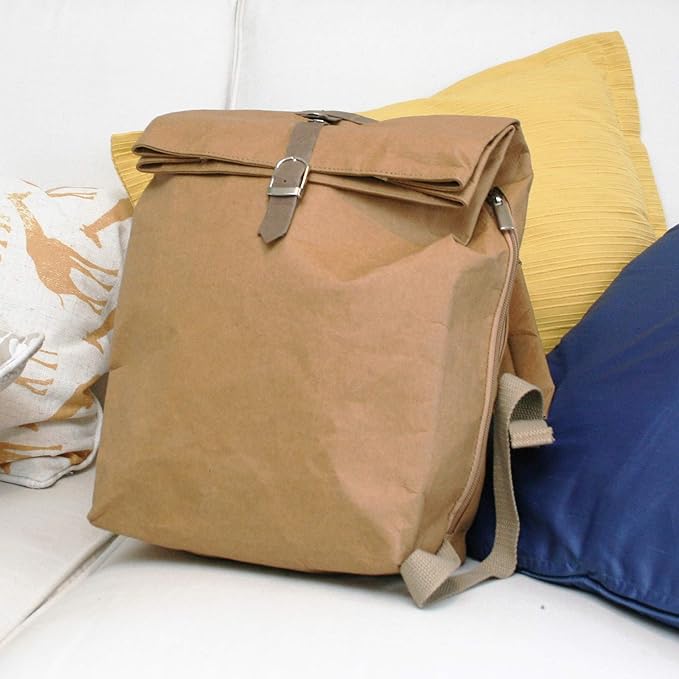
When traditional plastic bags and synthetic leather products are difficult to degrade and become a burden on the earth's environment, a new material derived from natural plant fibers is quietly changing the consumer market - washable kraft paper backpack is gradually moving from niche products to public vision with its dual attributes of "environmental protection and durability". This material made from plant fiber pulp is not only as wear-resistant and tear-resistant as leather, but also can be directly washed with water and naturally degraded, providing a new possibility for reducing reliance on plastic.
Material Revolution: From "One-Time Use" to "Long-Termism"
"At first glance, I thought it was leather, but in fact, it was the paper we produced. "The washable kraft paper products displayed on social media have overturned people's perception that paper is "fragile and easily damaged". This material after special process treatment, strength comparable to leather, fold resistance, tear resistance and waterproof, washing after drying can restore smooth, service life can reach decades. More importantly, its natural components can decompose naturally within several months, avoiding the environmental residue of traditional plastics or synthetic materials for hundreds of years. Manufacturers have applied it to daily necessities such as backpacks and wallets, and have passed FSC forest certification and BSCI social responsibility certification to ensure environmental protection in the whole chain from raw materials to production.
Market Practice: From Concept to Consumer Choice
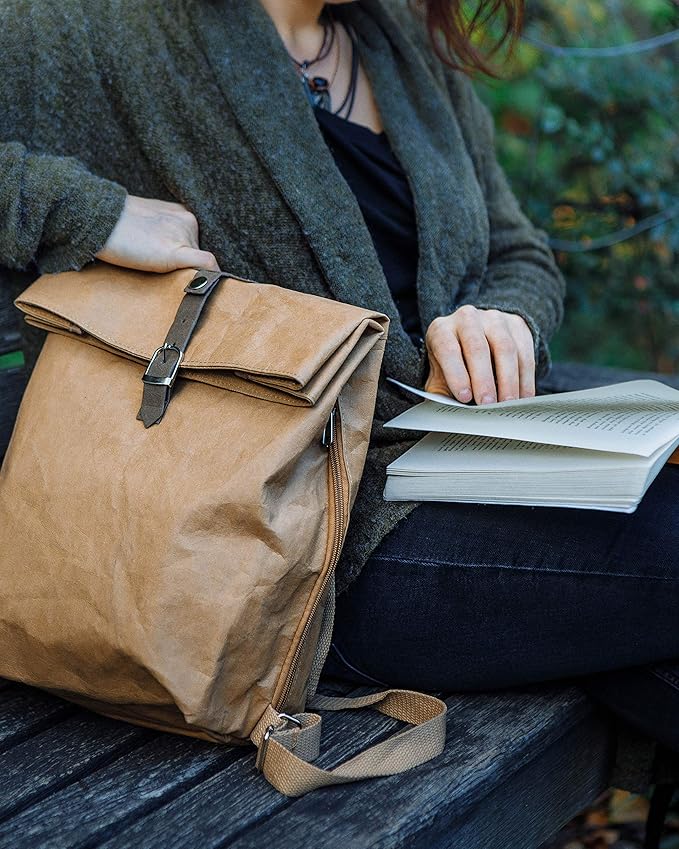
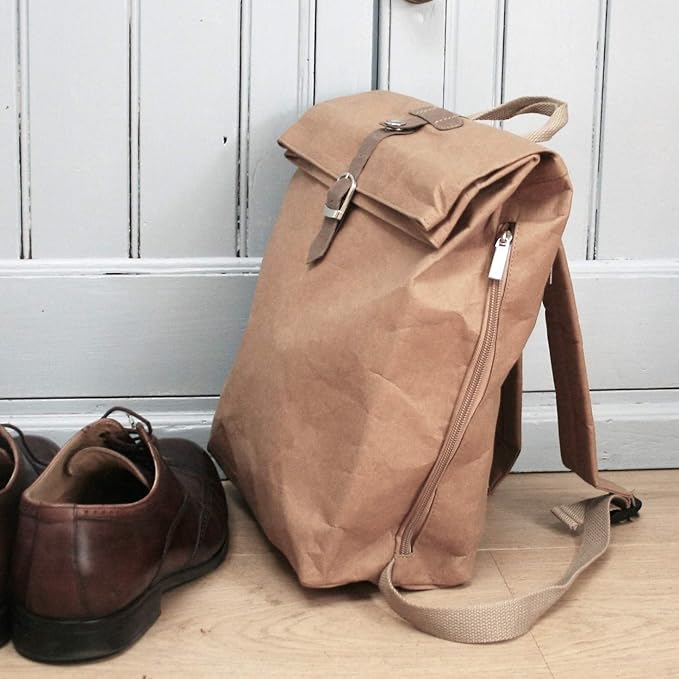
On e-commerce platforms, washable kraft paper backpacks have become a popular option under the label of "eco-friendly living". Consumer feedback shows that its practical features such as being "lighter than leather" and "no leakage when carrying a wet umbrella in rainy days" have broken the stereotype that eco-friendly products "sacrifice experience". Some brands also offer customization services. By printing logos and choosing multi-color styles, they can meet personalized demands and further bridge the gap with the younger consumer group.
Environmental Value: The "Intermediate Solution" on the Path of Plastic Reduction
Although the production of washable kraft paper still requires water resources, its environmental impact throughout its entire lifecycle is much lower than that of plastic. According to industry estimates, if one kraft paper backpack replaces ten disposable plastic bags, it can reduce carbon emissions by approximately 3.6 kilograms. More importantly, it provides consumers with a new option to "reject FMCG products" -- no longer changing bags frequently because they are "not durable", but practicing sustainable concepts through long-term use. As the manufacturer emphasizes: "This is not just a product, but also a reflection on the 'use-and-throw away' consumption model."
As environmental awareness permeates daily life, whether washable brown paper backpacks can become the new standard may depend on technological breakthroughs from more brands and changes in consumer habits. But it is certain that when "durability" and "environmental protection" are no longer in opposition, this kind of "paper backpack" is writing a vivid footnote to a green lifestyle.
