

With the rapid development of e-commerce and the logistics industry, the role of protective packaging in ensuring the safe transportation of goods has become increasingly prominent. According to industry statistics, over 100 million tons of protective packaging waste are generated globally each year. Among them, special packaging such as multi-layer composite materials and vapor phase anti-rust films, due to their high difficulty in recycling, have more than 60% directly landfilled or incinerated. In recent years, from material innovation to technological breakthroughs, from policy guidance to public participation, the world is building a multi-dimensional recycling system, promoting the transformation of protective packaging from an "environmental burden" to a "resource recycling" model.
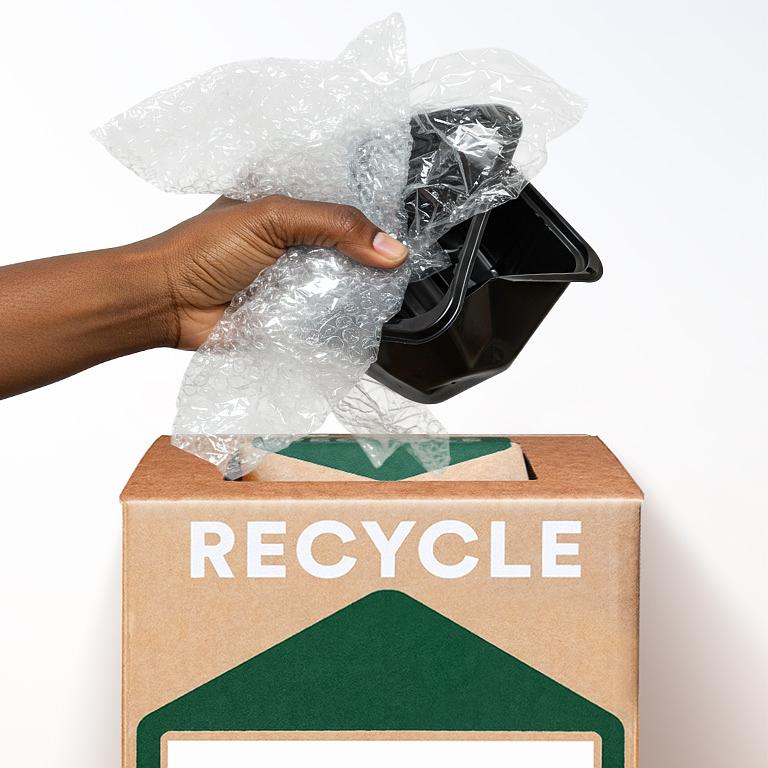
Technological Innovation: Solving the Problem of Multi-layer Packaging Recycling
Multi-layer protective packaging (MLP) is widely used in the fields of food, electronics, and other precision products due to its combined properties of barrier, sealing, and durability. However, the structure of MLP, which is composed of multiple layers of materials such as polymers and aluminum foil, has long been regarded as an "off-limits" area for recycling. In 2024, an Indian environmental technology company introduced the "Intelligent Crushing - Precise Separation" technology, which broke this deadlock: Through an AI-driven near-infrared spectroscopy sorting system, the composition of packaging materials can be identified within 0.3 seconds. Combined with a two-stage extrusion filtration process, the purity of separating different melting points of polymers can be increased to 98%. This technology has been put into use in recycling factories in New Delhi and Mumbai, with an annual processing capacity of 50,000 tons. The converted recycled particles are used to manufacture durable products such as furniture panels and road isolation posts, reducing the cost of MLP recycling by 40%.
The environmental friendliness of vapor phase anti-rust film (VCI film) has also made a breakthrough. In June 2026, German Doblert Company and BioNatur Plastics jointly released the world's first 100% anaerobic biodegradable anti-rust film. This material can decompose into water and carbon dioxide within 180 days in an oxygen-free environment, while maintaining the same anti-rust performance as traditional products. More importantly, its molecular structure is compatible with that of ordinary polyethylene and can directly enter the existing recycling system, solving the problem of isolated recycling islands for special packaging materials. At present, this technology has been piloted in the field of automotive parts packaging and is expected to be applied on a large scale in 2027.
Global Collaboration: Policy Framework and Infrastructure Construction
The European Union was the first to adopt the revised "Packaging and Packaging Waste Directive" (PPWD), requiring that all protective packaging meet the "recyclable design" standard by 2030 and forcing enterprises to adopt a material identification system. The "Extended Producer Responsibility" (EPR) system implemented in Germany stipulates that e-commerce platforms must pay a recycling fund based on the amount of packaging used, which is used for the construction of community recycling points. In Asia, the "Packaging Recycling Smart Network" established in Tokyo, Japan, has integrated over 2,000 convenience store recycling points. Consumers can scan a code to check nearby recycling facilities. By 2025, this system will increase the recycling rate of protective packaging to 72%.
Developing countries are exploring local solutions. In Brazil, the "Garbage Bank" program has been implemented in cities such as São Paulo and Rio de Janeiro. Residents can exchange the recycled protective packaging for public transportation vouchers or food. This model has increased the packaging recycling rate in low-income communities by three times within three years. The Kenyan social enterprise "Packaging Recycling Workshop" trains female workers to manually dismantle multi-layer packaging, and the separated aluminum foil and plastic are sold to smelting plants and recycled particle factories respectively. This not only creates jobs but also improves resource utilization.
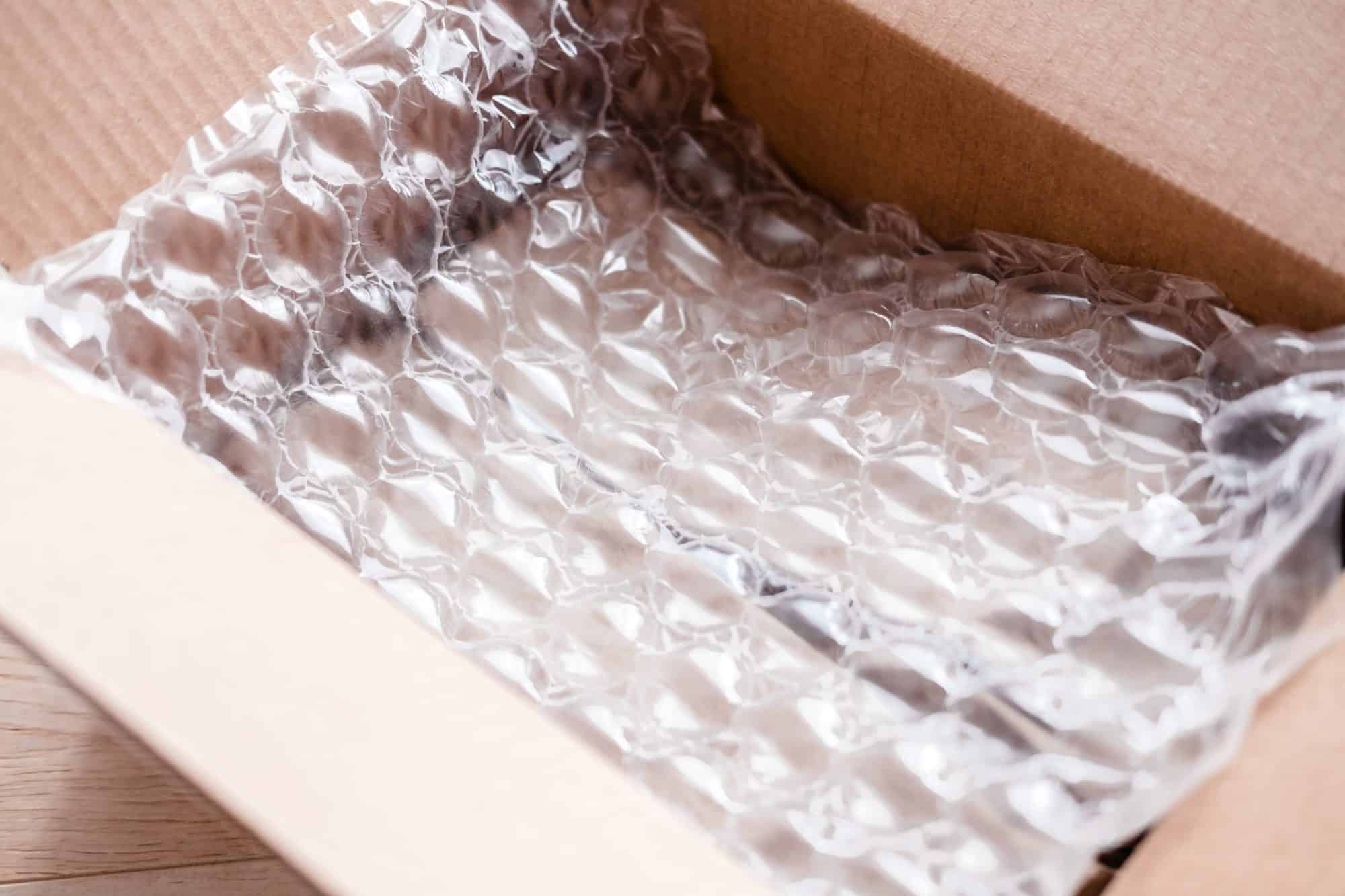
Public Participation: From Passive Disposal to Active Sorting
The transformation of consumer behavior is the key to the success of the recycling system. The "Packaging Passport" project launched by the Netherlands is quite innovative: each protective package comes with a QR code. Consumers can scan the code to view the material composition, recycling methods and nearby recycling points. The accumulated recycling points can be exchanged for coupons on e-commerce platforms. Within one year of its launch, the project has attracted over 2 million participants, driving the national recovery rate of protective packaging from 55% to 68%.
Enterprises are also driving changes in the consumer end. From 2025, Amazon will launch a "recyclable Packaging labeling program" in Europe. All the packaging of its own products will be marked with prominent recycling guidelines, including details such as whether buffer materials need to be removed and whether they can be recycled with regular plastic. IKEA has set up "packaging recycling stations" in its stores, accepting returned bubble wrap, foam fillers, etc. After disinfection, they are reused for product packaging, reducing the use of new packaging by approximately 1,200 tons per year.
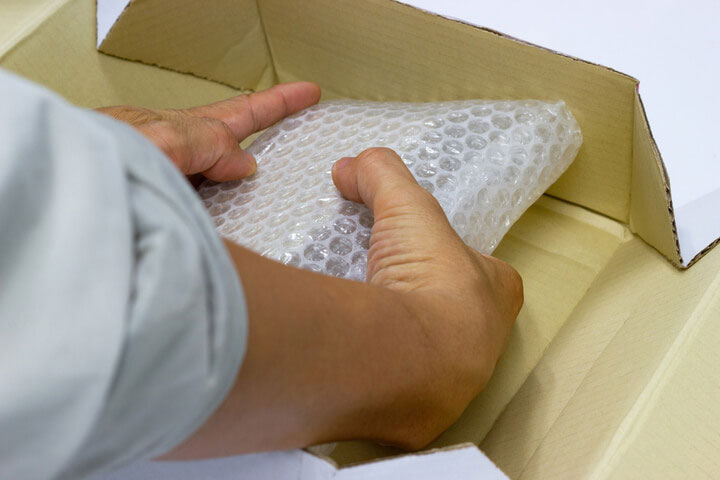
Future Outlook: Material Revolution and Circular Economy
Industry experts point out that the ultimate environmental goal of protective packaging is to achieve "zero waste". Currently, the self-healing biobased packaging material developed by Stanford University in the United States has entered the trial stage. This material is made from seaweed extract and can self-repair by spraying water after being damaged. After being discarded, it can completely degrade in the natural environment within 30 days. Meanwhile, blockchain technology has begun to be applied to recycling traceability. The "Packaging Recycling chain" system piloted by Walmart can track the entire life cycle of each package from production, use to recycling, ensuring the transparency of the quality of recycled materials.
From technological breakthroughs to global collaboration, from policy guidance to public participation, protective packaging recycling is moving from decentralized attempts to systemic change. According to the United Nations Environment Programme (UNEP), if the current innovative solutions are implemented globally by 2030, the amount of packaging waste in landfills can be reduced by 45% and the consumption of crude oil can be saved by about 120 million tons. This quiet green revolution is not only about environmental protection, but also about reshaping the logic of resource flow in the global supply chain and injecting new impetus into sustainable development.
