

The global rescue system undergoes a material revolution
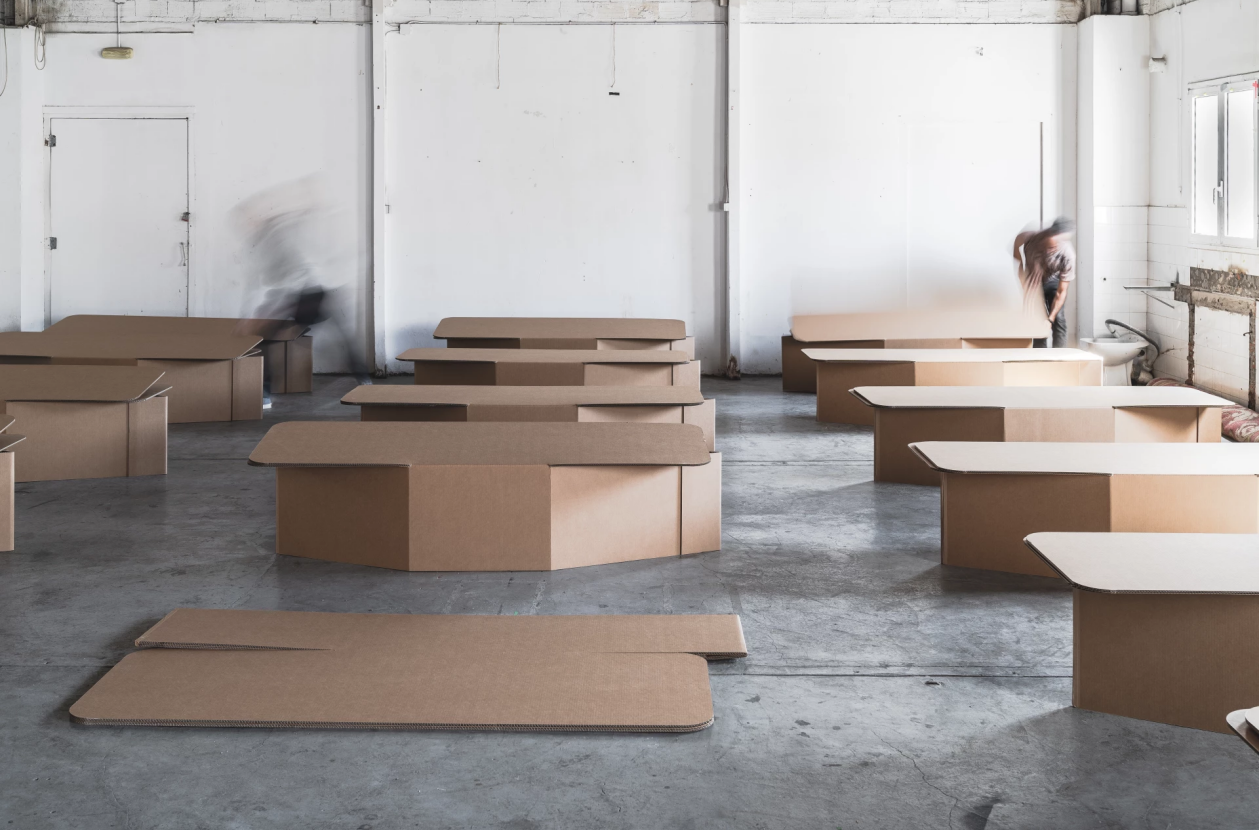
At the post-earthquake rescue site in Japan in 2024 local time, a batch of special "disaster relief beds" have drawn international attention: folding beds made of high-strength corrugated cardboard and eco-friendly adhesives can be assembled in just three minutes, and the cost of each bed is less than one fifth of that of traditional metal beds. This innovation not only solves the "bed shortage" problem in post-disaster resettlement, but also reduces the cost of humanitarian aid by 70% through material innovation, providing a replicable solution for the global disaster response system.
From the Olympic Testing Ground to the Disaster Relief Frontline: The Technological Evolution of Paperboard Beds
The application of paperboard beds can be traced back to the 2021 Tokyo Olympics. At that time, the event organizing committee, in line with the environmental protection concept, used single-sheet paperboard beds with a cost of approximately 12 euros each. Compared to the wooden beds used in the Beijing Olympics, this saved 98% of the cost. Although there were some disputes about individual bed boards cracking during this period, third-party tests showed that they could bear a load of up to 200 kilograms, far exceeding the 150 kilograms standard of ordinary disaster relief beds. This technology was then upgraded by the Japanese disaster emergency department: by increasing the honeycomb structure design and waterproof coating treatment, the new generation of relief cardboard bed can still maintain structural stability in the environment of -10℃ to 40℃, and the volume after folding is only 1/8 of the traditional bed, and the transportation efficiency is increased by 5 times.
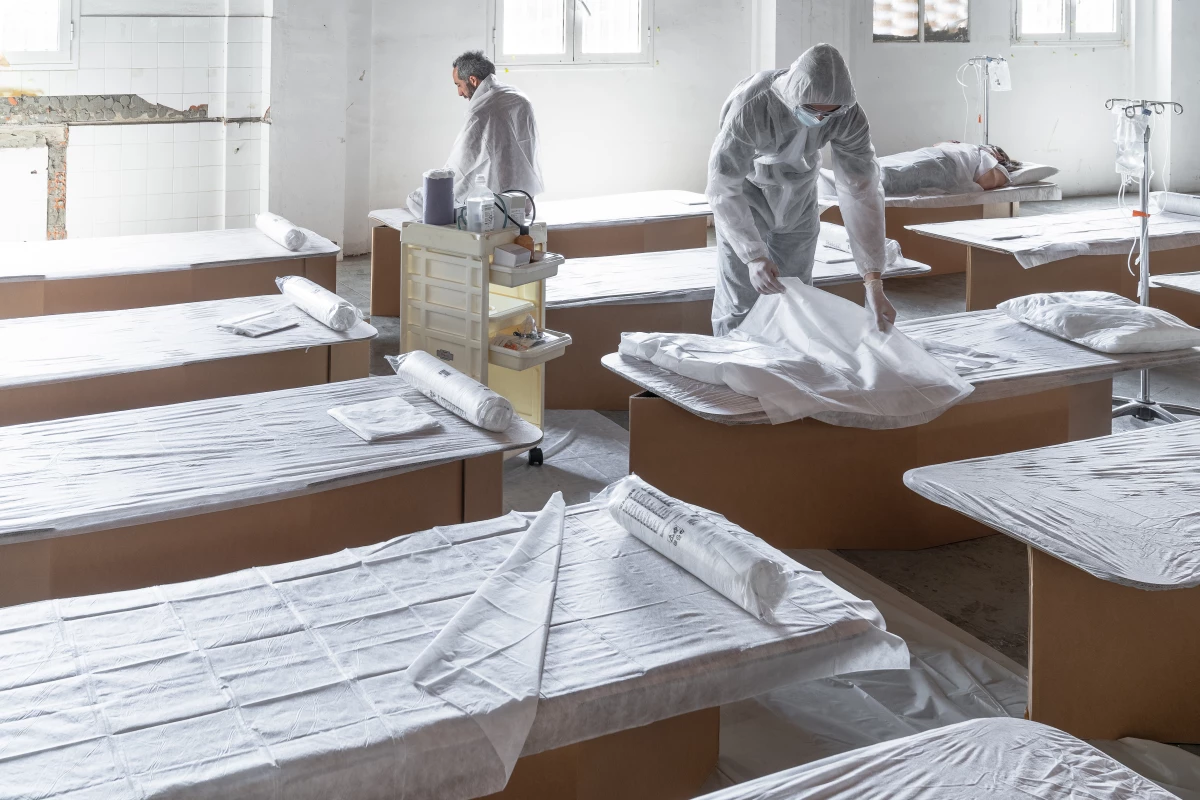
In the 2024 earthquake in Japan, 200 cardboard beds were delivered to shelters in Miyagi Prefecture within 72 hours. Their "ready-to-use" feature increased the efficiency of shelter placement by 40%. The shelter manager, Sato Kenichi, said: "Traditional metal beds require truck transportation, while cardboard beds can be delivered by regular cars. In disaster-stricken areas with damaged roads, they are truly a 'lifeline'." Data from the United Nations Office for the Coordination of Humanitarian Affairs (OCHA) shows that after using cardboard beds, the transportation cost of bed equipment for a single earthquake rescue dropped from $200,000 to $60,000, with a 100% recycling rate, avoiding the problem of "secondary waste" after the disaster.
The humanitarian value behind the cost revolution
The 2025 research report of the Global Disaster Response Laboratory at the University of Oxford pointed out that the annual cost for purchasing and transporting beds for natural disaster relief worldwide amounts to 4.3 billion US dollars, with developing countries bearing over 60% of this burden. The popularization of cardboard beds is changing this situation: in the 2023 earthquake relief in Turkey, the use of 12,000 cardboard beds saved the local government 18 million US dollars, which was reinvested in the purchase of medical equipment, increasing the survival rate of seriously injured patients by 22%.
"Traditional rescue efforts often fall into the trap of 'emphasizing hardware over efficiency'." Anna Kovac, the director of material procurement at the International Committee of the Red Cross, explained, "We have seen in the Democratic Republic of the Congo that 20% of the shelters could not be activated in time due to transportation delays caused by metal beds." The emergence of cardboard beds essentially transformed "waiting time" into "life time". The data showed that the average waiting time for resettlement of the affected people was shortened from 48 hours to 12 hours, and the incidence of acute respiratory infections decreased by 35% in the disaster areas using foldable cardboard beds.
Controversy and Breakthrough: Redefining the Value of "Temporary"
Despite its obvious advantages, the cardboard bed still faces criticism. After the 2024 earthquake in Japan, criticism emerged on social media that "cardboard beds have insufficient cold resistance." In response to this, the Materials science team at the University of Tokyo has developed composite thermal insulation cardboard. By implanting aerogel between the corrugated layers, the thermal conductivity of the bed has been reduced by 60%, and the bed surface temperature can be maintained above 15℃ in an environment of -5℃. This technology has been incorporated into the United Nations' "Standards for the Construction of Temporary Shelters after Disasters", and it is planned to be promoted in 12 disaster-prone countries around the world by 2026.
Chinese relief supplies enterprises are also actively laying out in this field. Zhejiang environmental protection technology company responsible person revealed, its research and development of bamboo fiber reinforced cardboard bed has passed the international SGS certification, the cost is 30% lower than similar products in Japan, "we in Yunnan earthquake drill verification, this bed can withstand 8 earthquake impact, and combustion performance to B1 level flame retardant standards." At present, the product has entered the United Nations global procurement list, and the production capacity is expected to meet 1/3 of the global demand for post-disaster bedding in 2026. Future outlook: lightweight transformation from bed to overall rescue system
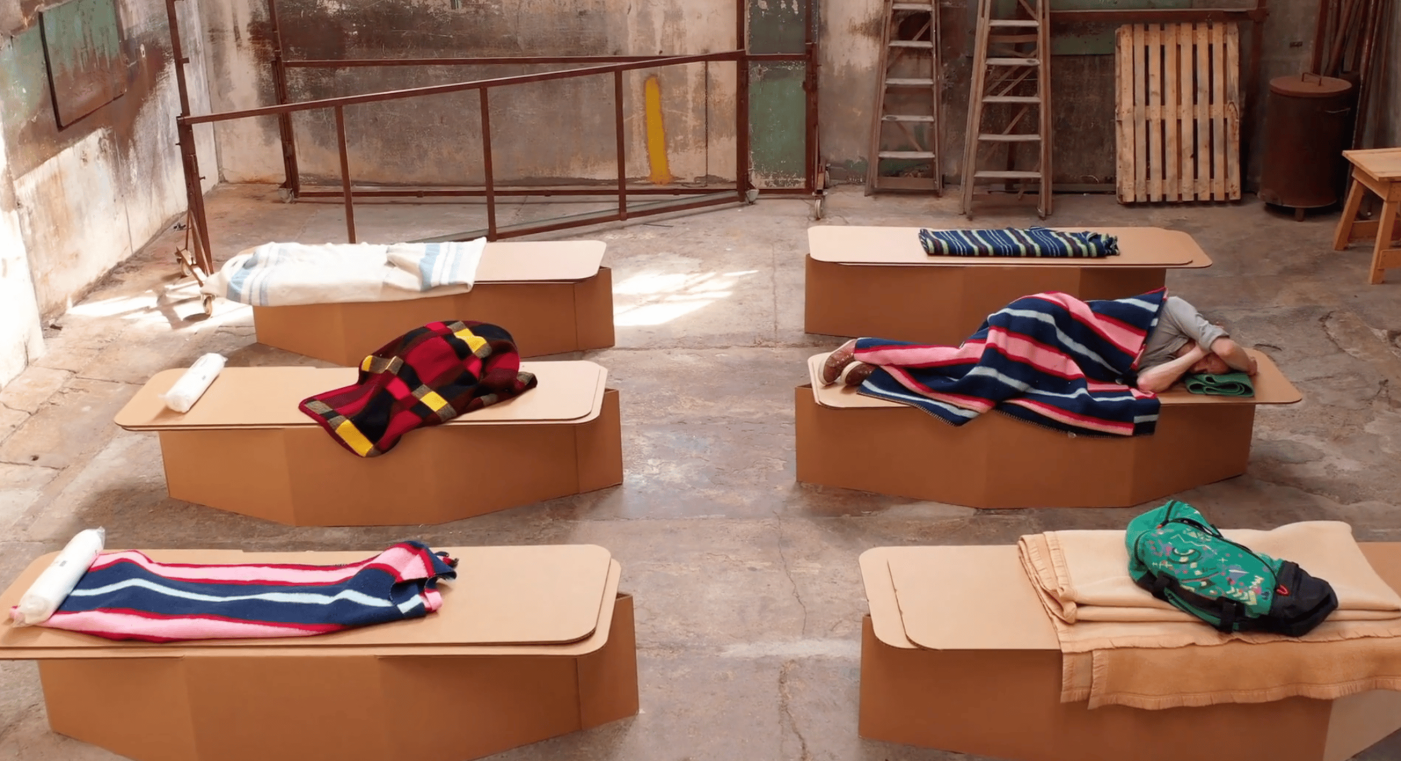
The success of cardboard beds is triggering a butterfly effect.
According to the 2025 White Paper on Humanitarian Innovation issued by the United Nations Development Programme (UNDP), the materials revolution is driving a shift in the relief model from "heavy asset transportation" to "localized production". In the typhoon-prone areas of the Philippines, local communities have established cardboard bed production lines, using recycled cardboard boxes and palm fibers to achieve "pre-disaster reserves and rapid post-disaster assembly", reducing the response time from 72 hours to 6 hours.
Rajiv Banerjee, head of the World Bank's Disaster risk financing unit, said: "When a cardboard bed is cheap enough and efficient enough, it changes not only the way we rescue people, but our understanding of the 'dignity of life' -- that every trapped person deserves a safe bed in the face of disaster, and technological innovations make this promise achievable." With the integration of 3D printing technology and biodegradable materials, disaster relief beds in the future may realize "on-site printing and natural degradation after use", truly realizing "zero carbon footprint" for humanitarian aid.
