

In a market environment where product competition is increasingly fierce, as an important carrier of brand image, the design quality of packaging boxes directly affects consumers' purchasing decisions. However, many enterprises often fall into design mistakes when customizing packaging boxes due to the lack of professional guidance. This article summarizes the five common errors that need to be avoided in the design process, providing practical references for brand owners.
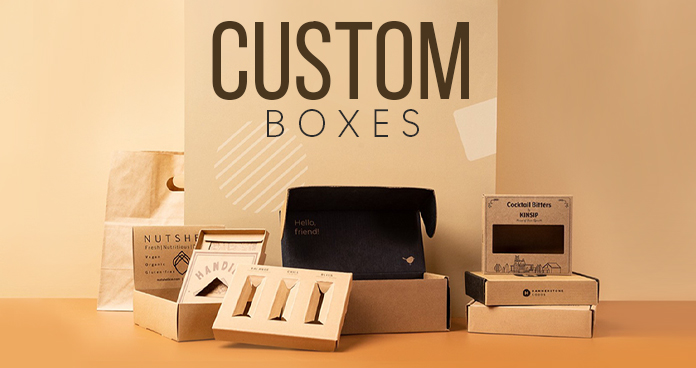
I. Confused information hierarchy leads to blurred core values
Some packaging box designs have the problem of information overload, randomly piling up brand stories, product selling points, usage instructions and other contents, which makes it difficult for consumers to quickly identify key information. A research by a certain food enterprise shows that when the text information on the packaging box exceeds 300 characters, consumers' information reception efficiency drops by 40%. Professional designers suggest adopting the "pyramid principle": the main visual area highlights the brand logo and core selling points, while the auxiliary area places specification parameters and usage instructions to ensure clear distinction between the main and secondary information.
II. Disconnection between Visual Design and Product Attributes
Another common issue is the mismatch between the design style and the product characteristics. A certain baby and mother product brand once used a cool-toned metallic packaging, which led consumers to mistakenly believe that the product was targeted at the adult market. As a result, its sales dropped by 27% compared to the previous period within three months of its launch. The correct approach is to choose the design language according to the product attributes: food should use warm colors and figurative patterns to stimulate appetite, technology products can use simple lines and cold colors to convey a sense of professionalism, and luxury goods need to create a high-end atmosphere through material texture and white space design.
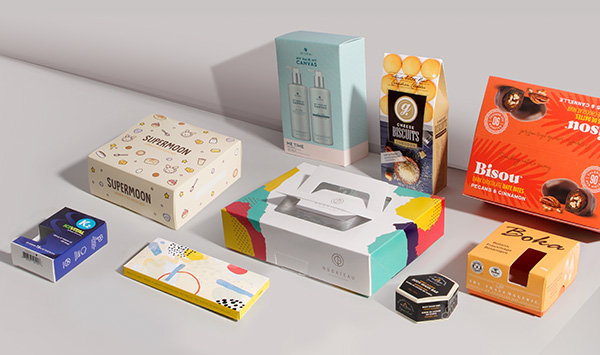
III. Structural design ignores practicability and logistics requirements
The excessive pursuit of appearance uniqueness and the neglect of functional practicality often leads to the increase of packaging costs and the decline of user experience. Although the hexagonal packaging box of an electronic product is visually novel, the space utilization rate in the storage link is reduced by 35%, and the logistics damage rate is increased to 8%. Industry experts stress that structural design needs to balance three aspects: product protection (such as buffer structure design), ergonomics (such as easy to open), and adaptation to standardized logistics systems (such as stack stability).
IV. Environmental Design Becomes Formalism
With the enhancement of environmental awareness, many brands blindly adopt concepts such as "degradable" and "environmentally friendly materials" for marketing purposes. However, the actual design fails to achieve the intended environmental benefits. The "degradable" packaging used by a beverage company prolongs the natural degradation time due to improper treatment of the coating. True eco-friendly design should run through the entire life cycle: selecting FSC-certified paper raw materials, optimizing the structure to reduce material waste, using water-based inks for printing, designing recyclable labels and usage guidelines, while ensuring that the environmental attributes do not conflict with the product's preservation requirements.
V. Ignoring the aesthetic preferences and usage habits of the target group
Failing to accurately grasp the characteristics of the target consumers often leads to a mismatch between the design and market demands. For instance, a snack brand targeting the Z-generation group, due to its adoption of traditional and elaborate pattern designs, had a recognition rate of only 23% among consumers aged 18-25. Effective user research should include aesthetic preferences (such as color preference, pattern style), usage scenarios (such as portability requirements, gift attributes), cultural background (such as regional symbol taboos) and other elements of the target group. If necessary, the market acceptance of the design scheme can be verified through A/B testing.
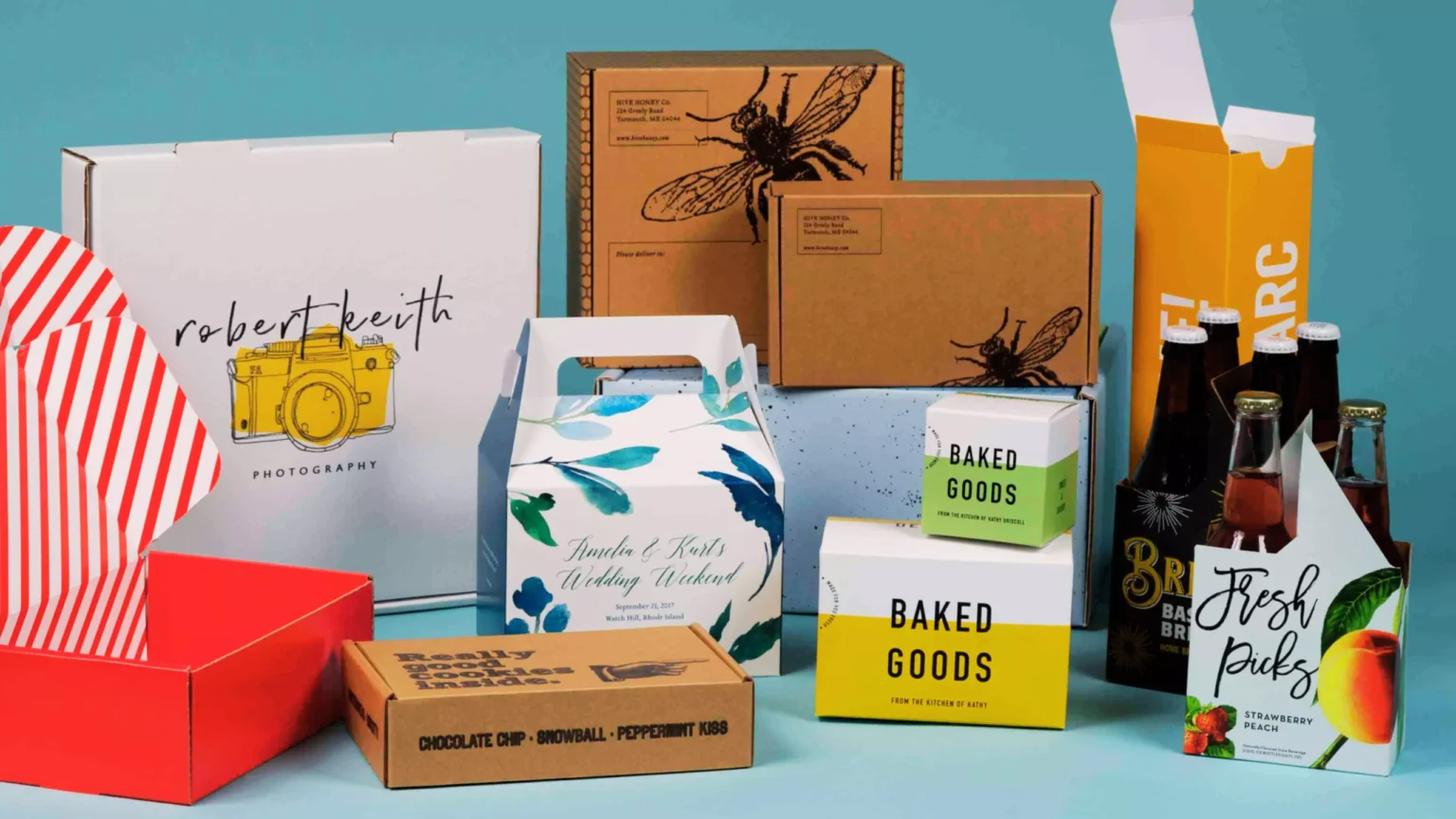
Industry insiders point out that a successful packaging design is a strategic decision rather than a mere aesthetic creation. Before starting a customized project, the brand should establish a cross-departmental cooperation mechanism, cooperate with marketing, product, logistics and other teams to clarify the design objectives, and select a design agency with industry experience to cooperate, avoid the above risks through professional processes, and ultimately achieve the unity of the commercial value of packaging and brand value.
