

In the fields of logistics transportation and product packaging, bubble bags and roll-shaped bubble films are the mainstream cushioning materials, each occupying different application scenarios based on their unique advantages. Choosing the right packaging materials can not only reduce transportation losses but also optimize packaging efficiency and cost control. The following analyzes how to scientifically decide on the usage timing of the two from three aspects: product features, applicable scenarios, and economy.
I. Product Characteristics: Structural Differences Determine Protection Capability
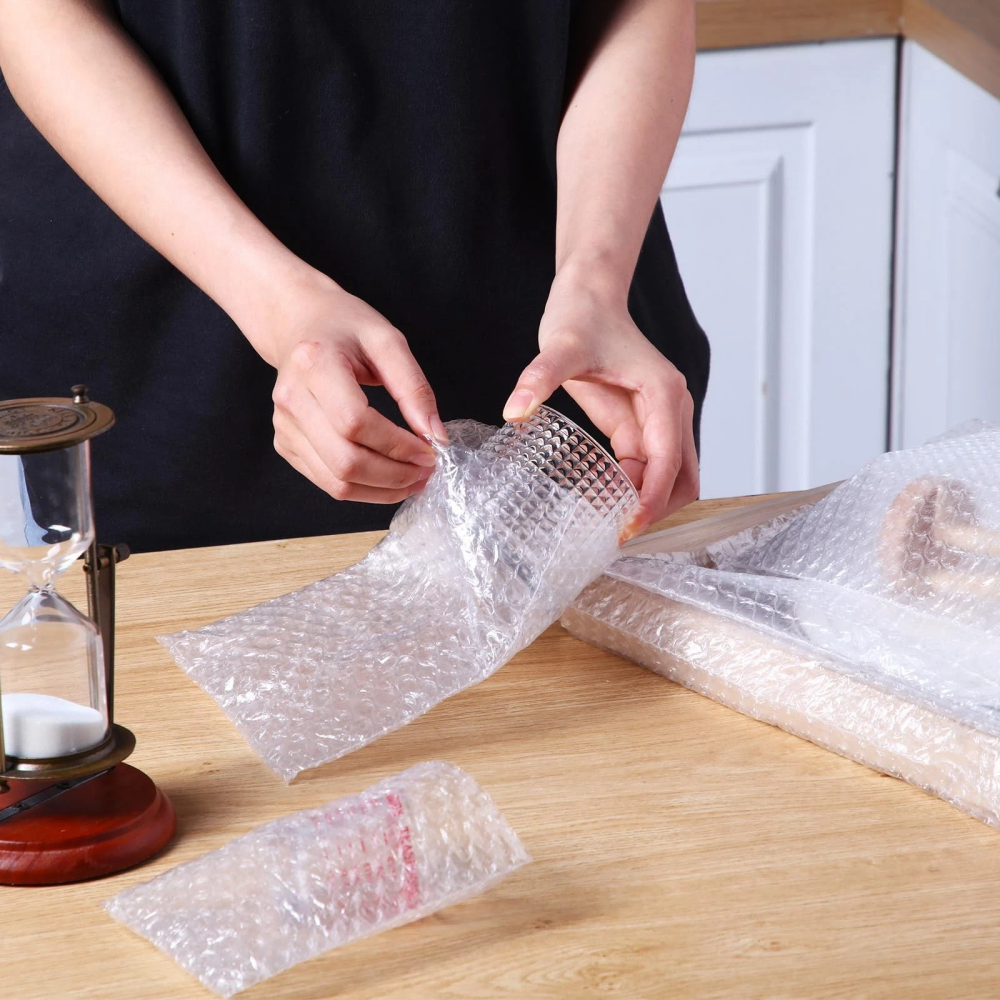
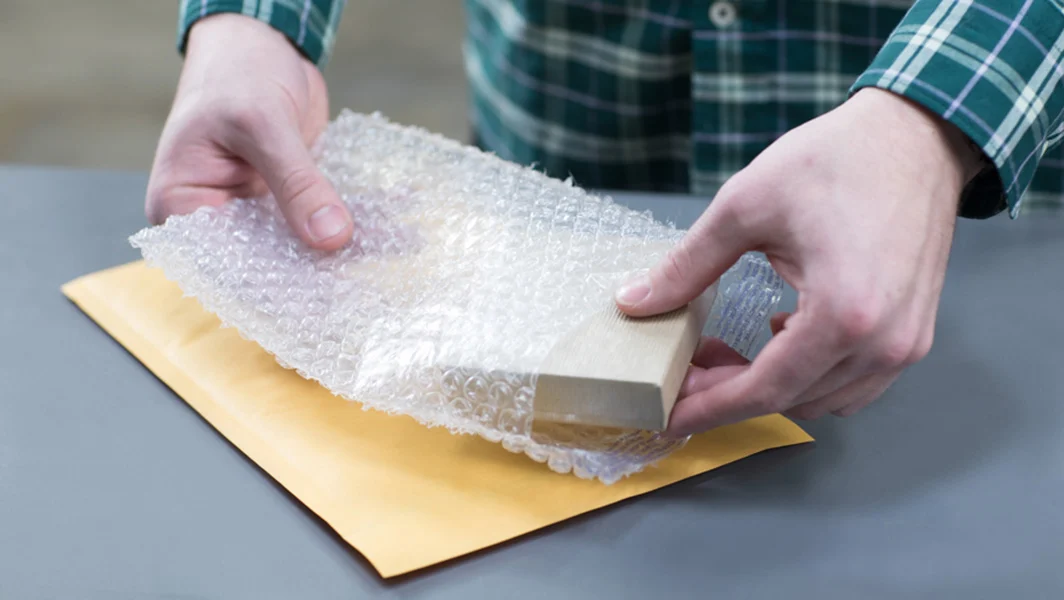
The bubble bags are designed with a "bag-like packaging" concept. The internal bubbles are closely and independently arranged, and the outer layer is mostly made of polyethylene or kraft paper, which has additional functions such as moisture-proofing and anti-static. For example, the anti-static bubble bags are specifically designed for electronic components, which can prevent static electricity from damaging sensitive chips; Kraft paper bubble bags enhance wear resistance through a tough outer layer and are suitable for export express delivery scenarios. Its preformed feature enables it to be used directly after opening the box without additional cutting, making it particularly suitable for the rapid packaging of irregular small items.
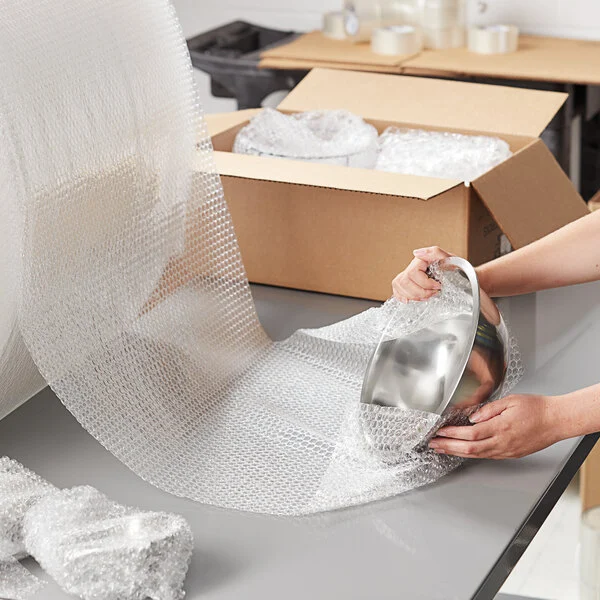
Roll-shaped bubble wrap exists in the form of "continuous rolls", and the bubble density can be adjusted according to requirements. It supports manual cutting and flexible winding. The bubble wrap rolls can be adapted to large items such as furniture and building materials. Through multi-layer wrapping, it forms a cushioning pad layer, effectively absorbing the impact force during the handling process. In addition, the rolls support customized cutting, which can precisely match the size of the items and reduce material waste.
II. Scene Adaptation: From Item Attributes to Packaging Efficiency
The core advantage scenario of bubble bag focuses on small, fragile and standardized packaging needs:
Electronic and precision instruments: Such as mobile phone accessories, ceramic crafts, bubble bag independent bubble structure can avoid local pressure concentration, anti-static bubble bag can also isolate static damage;
Postal and e-commerce delivery: The motor license plate bubble bag is sealed to prevent scratches and corrosion, and the hand bubble bag is the first choice for small items due to portability;
Household and daily protection: After clipping the bubble bag can be used as a non-slip mat or temporary protection pad, both clean function, such as adsorption of dust when wipes furniture and does not produce scratches.
Roll-shaped bubble wrap is more suitable for the following scenarios:
Large or irregular-shaped items: When moving, wrap the corners of furniture; during decoration, protect tiles and stones. Rolls can be wound to form 360-degree protection.
Batch customized packaging: During factory production, roll materials can be precisely cut according to the size of components to reduce the pressure on packaging material inventory;
Cost-sensitive scenarios: In e-commerce shipments, roll materials can reduce waste through "on-demand usage", and are particularly suitable for flexible packaging of irregular items.
III. Economy and Environmental Protection: The Balance of Comprehensive Costs
The bubble bag can significantly improve the packaging efficiency due to the prefabrication and cutting step, which is suitable for scenes with high labor costs. However, its unit price is relatively higher than that of coil materials, and its specifications are fixed, which is prone to material redundancy. Roll-shaped bubble wrap has a significant cost advantage when used in bulk, especially when the size of the packaged items varies greatly. The flexible cutting of the roll material can increase the material utilization rate by more than 20%.
In terms of environmental protection, both support reuse, but the kraft paper bubble wrap, due to its degradable nature, better meets the environmental protection requirements for export packaging. The kraft paper bubble bags have become the mainstream choice for cross-border e-commerce, taking into account both protection and green logistics demands.
Decision-making suggestion: Four-step selection method
1. Item size: For small items, choose bubble wrap; for large or irregular-shaped items, choose rolls.
2. Protection grade: Anti-static bubble bags for high-precision electronic components and thickened rolls for heavy furniture;
3. Packaging efficiency: Fast delivery of bubble bags, customized packaging and coil selection;
4. Cost control: Bubble wrap is used for small batches, while rolls are used for large batches or irregular items.
By combining the form of goods, packaging efficiency and functional requirements, enterprises and individuals can achieve a balance between protection effect and cost control. In the future, with the development of environmental protection material technology, degradable bubble bag and recyclable roll film will become the mainstream choice, promoting the packaging industry to green and intelligent upgrade.
