

Bubble wrap as commonly used in the field of modern logistics and packaging material, with its lightness, buffer the characteristics of strong, widely used in electronic products, glass products, precision instruments such as the protection of the perishable goods. Proper packaging and wrapping techniques can not only improve the safety of transportation, but also reduce the waste of materials. The following four aspects from the structural characteristics of bubble film, selection criteria, packaging methods and precautions to provide a comprehensive guide for readers.
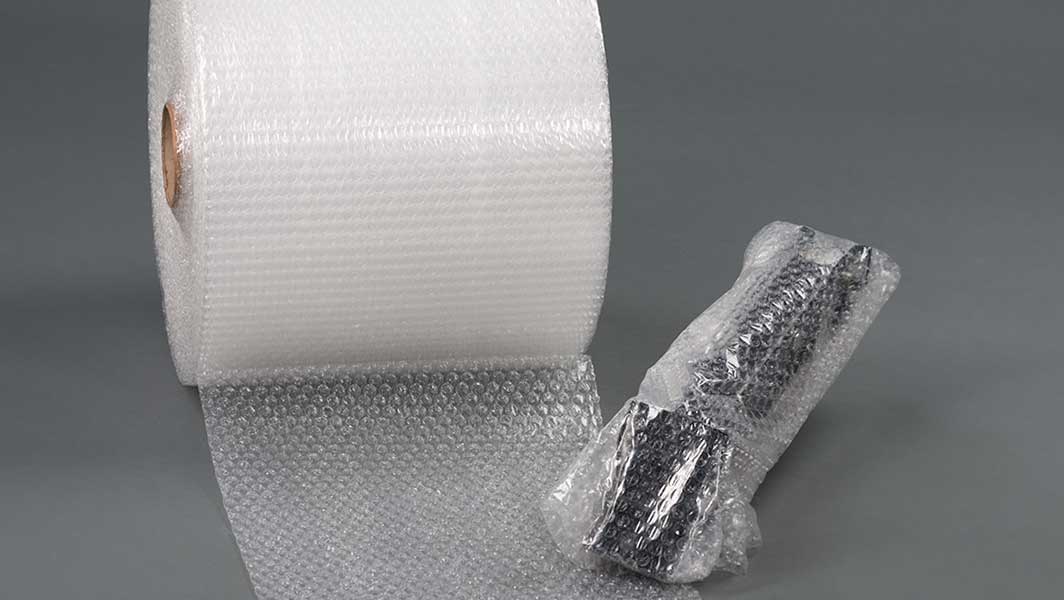
I. Structure and Properties of Bubble Film
Bubble wrap is made of polyethylene (PE) material, and its core buffering structure is composed of independent air bubbles filled inside. Bubble diameters are typically classified as 6mm (small bubbles), 10mm (medium bubbles), and 25mm (large bubbles). Different specifications are suitable for items of different weights and fragility: small bubbles are appropriate for small electronic devices such as mobile phones and headphones, medium bubbles for cosmetics and small household appliances, and large bubbles for heavy items like furniture and large machinery. In addition, bubble wrap is classified into single-layer, double-layer and anti-static types. The anti-static type can effectively prevent static electricity from damaging electronic components by adding anti-static agents.
II. Selection Criteria for Bubble Wrap
1. Select according to the characteristics of items: Fragile products (such as glassware) should be prefered to choose products with high bubble density and thick film body; For heavier items, it is recommended to stack them with double-layer bubble wrap or use corrugated boxes in combination.
2. Consider the transportation environment: The waterproof coating bubble film should be selected in the humid environment, and the low temperature environment should pay attention to the low temperature resistance of the bubble film to avoid the brittle rupture of the material.
3. Economic principle: Avoid blindly pursuing thick films. Under the premise of meeting protection requirements, choosing appropriate specifications can reduce packaging costs.
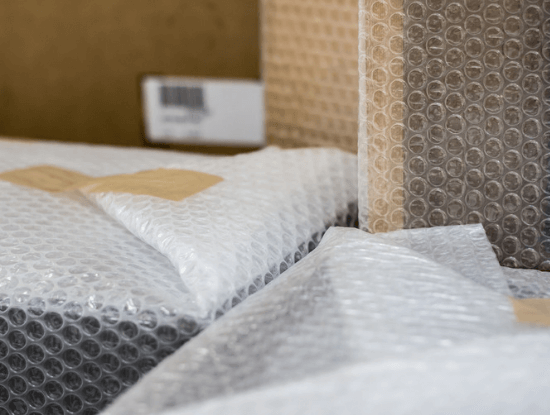
III. Correct Packaging and Wrapping Techniques
(1) Basic Packaging Steps
1 item pretreatment: Clean surfaces, removal of sharp edges (article available foam package), avoid prick bubble wrap.
2. Bubble surface orientation: The bubble surface faces inward to wrap the item, and the bubble layer directly contacts the surface of the item to form a buffer; The smooth outer surface can reduce friction with other items.
3. Package way: The "cross crossover method", first along the item length direction winding 2-3 laps, winding along width direction again, make sure every surface is covered by bubble film, juncture place with tape.
(2) Key Points for Packaging Special Items
- Irregular items: Such as handicrafts and instrument parts, the protruding parts can be locally thickened with bubble film and then wrapped as a whole. If necessary, bubble columns or foam particles can be filled to fill the gaps.
- Electronic products: First, put on an anti-static bag, then wrap with anti-static bubble film. An additional stretch film can be wound around the outside to enhance stability.
- Liquid containers: The bottle opening must be sealed first, then wrapped with multiple layers of bubble film to ensure no risk of liquid leakage.
(3) Tool for winding assistance
For batch packaging, a bubble wrap cutter can be used to improve efficiency. When wrapping, maintain an appropriate tension to avoid being too tight and causing the bubbles to burst or too loose and failing to fix them. It is recommended to use large items with packing belts, and fix the items wrapped in bubble film on the tray to prevent displacement during transportation.
IV. Notes and Common Mistakes
1. Avoid repeated use of damaged bubble film: After the bubble rupture, the buffering performance decreases greatly, and the repeated use is easy to cause damage to the article.
2. Control package thickness: Excessive package will increase the volume and weight of the package, which may lead to the rise of logistics costs, and the bubble film is too thick, which may lose the buffer effect due to extrusion deformation.
3. Tape usage guidelines: The tape should be adhered to the smooth surface of the bubble wrap and should not be directly stuck to the surface of the object (especially on materials such as paint and leather that are prone to leaving glue marks).
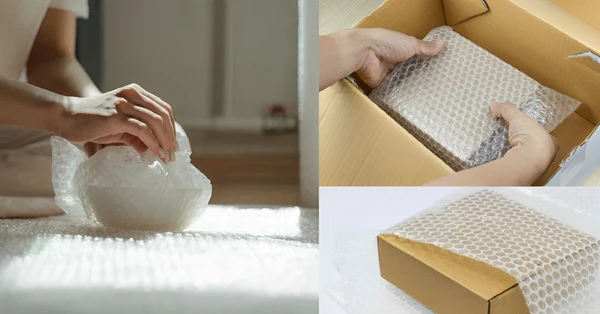
Conclusion
The correct use of bubble wrap is a key link to ensure the safe transportation of items. By scientifically selecting specifications, mastering winding techniques and paying attention to detail handling, its buffering and protective effect can be maximized. With the popularization of environmental protection concept, degradable bubble film has appeared in the market, and there will be more innovation in the sustainability of packaging materials in the future to provide support for green logistics.
