

Under the trend of global sustainable development, traditional wax paper is returning to the public eye with a new attitude of environmental protection. As a packaging material with both functional and ecological value, wax paper has shown great potential to replace plastic packaging in food preservation, industrial rust prevention and other fields with its unique properties, and has become an important force in the green packaging revolution.
Material characteristics: A perfect combination of natural ingredients and multi-functional protection
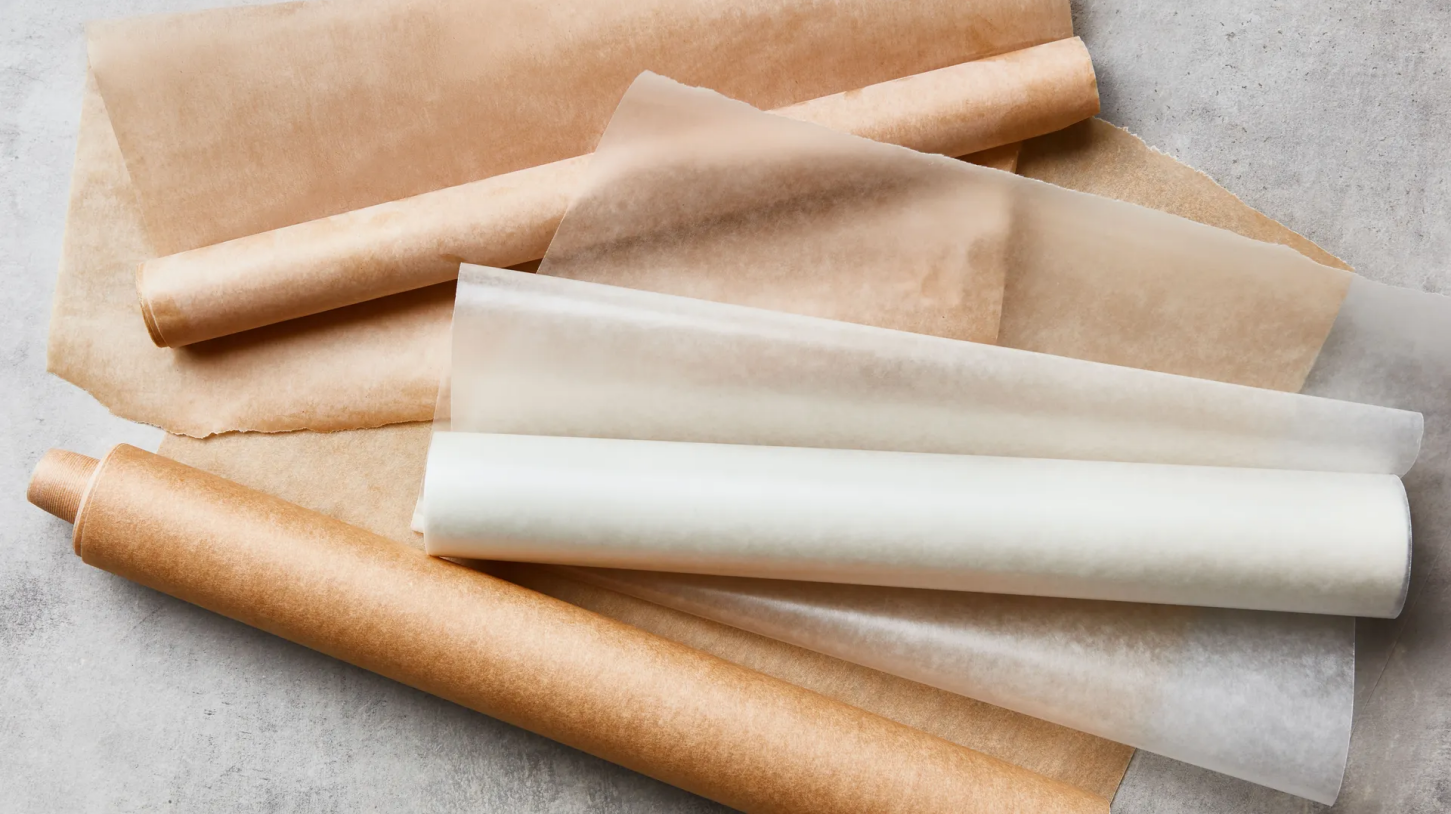
Modern wax paper uses kraft paper as the base material and is coated with a natural wax layer through a special process to form a composite structure. This material not only retains the degradable properties of paper, but also gives the product excellent protection through the wax layer. Technical tests show that high-quality wax paper has a water resistance rating of up to IPX7 standard, can keep the contents dry in a short-term immersion environment, and its temperature resistance range covers -20°C to 80°C, making it suitable for various storage conditions. Its customizable thickness ranging from 0.15mm to 0.3mm not only ensures the packaging strength but also avoids material waste.
In the field of food packaging, wax paper exhibits a combination of non-stick, moisture-proof and semi-transparent properties, which can effectively block moisture and oxygen, thereby extending the shelf life of baked products, candies and other foods. In industrial applications, the thickened butter wax paper forms a dense protective film on the surface of metal parts through the penetration of wax layer. After testing, the mechanical bearings can be kept in a high humidity environment for a month without rust, and the rust-proof performance is comparable to that of traditional industrial rust-proof paper.
Environmental Value: Full-chain Green Design from Materials to Lifecycle
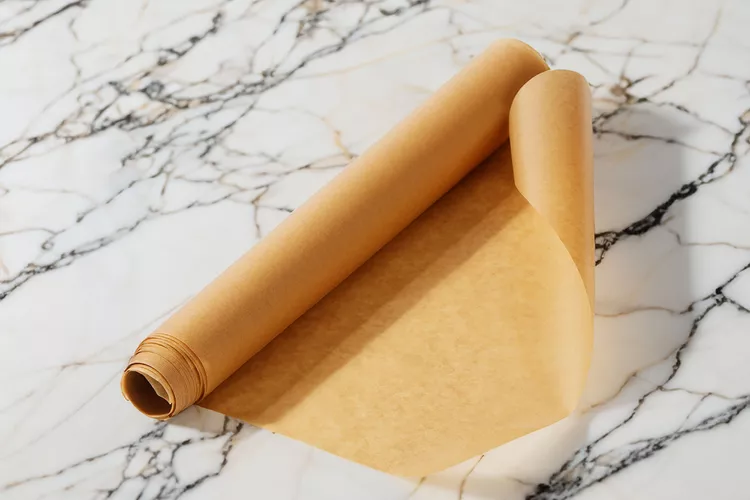
The sustainable advantages of wax paper run through the entire product life cycle. The base material kraft paper comes from renewable forestry resources and has good recyclability. The surface waxy layer is made of natural beeswax or plant-based wax, which can gradually degrade under natural conditions, avoiding the long-term environmental burden caused by plastic packaging. Industry data shows that wax paper products with bio-based wax coatings have a carbon footprint that is over 40% lower than that of plastic packaging, and the cost of waste disposal is reduced by 35%.
The 2025 industry report indicates that wax paper packaging is accelerating its transformation towards bio-based materials. Several companies have successfully developed coating technologies based on renewable resources such as cornstarch and palm oil, which enable products to achieve full biodegradation while maintaining functionality. This material innovation not only responds to the global plastic restriction requirements but also brings significant cost benefits for enterprises - the unit packaging price is 15-20% lower than that of environmentally friendly plastics, and the service life is extended by more than 30%.
Application Expansion: Diverse Scenarios Across Food and Industry
The application boundaries of wax paper are constantly expanding. In the food industry, it has become a new favorite in baking packaging, which can not only prevent the oil from pastries from seeping through but also maintain the freshness of the products. In the field of automotive manufacturing, wax paper is used for rust prevention and protection of engine components. The electronics industry takes advantage of its moisture-proof property to package circuit boards. In warehousing and logistics, wax paper, as a moisture-proof pad, can reduce the risk of goods getting moldy.
Innovative application cases keep emerging: A certain hardware enterprise uses wax paper to package metal tools, extending the shelf life to 12 months. E-commerce platforms are testing wax paper to replace bubble wrap, reducing the weight of packaging materials by 40% while lowering transportation costs. With technological advancements, wax paper is being combined with other environmentally friendly materials, such as a double-layer structure of "plastic film + wax paper", which has met the long-term rust prevention needs for heavy machinery parts.
Future Trends: Technological Innovation Drives Sustainable Upgrade
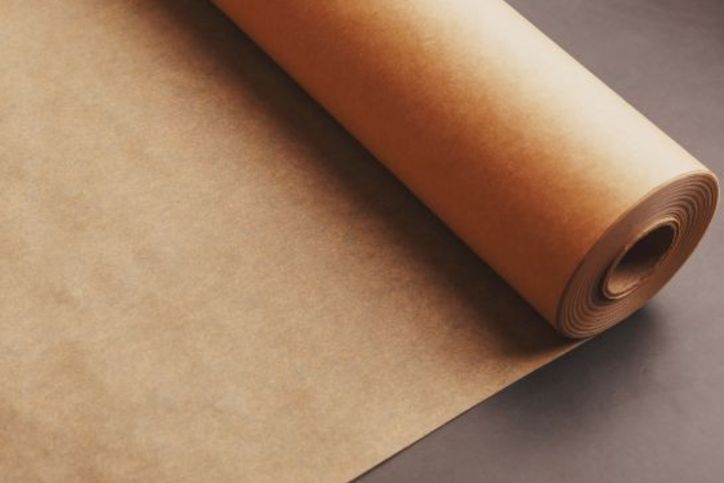
Industry forecasts show that the global waxy paper packaging market will expand at a CAGR of 7.2% during 2025-2031. Technological innovation has become the core of development: nano-scale wax coating technology can enhance protective performance by 50%, intelligent temperature-controlled wax paper can automatically adjust its breathability according to environmental humidity, and digital printing technology enables wax paper to achieve personalized packaging design. These advancements have enabled wax paper to gradually replace more traditional packaging materials while maintaining its environmental advantages.
With sustainable development becoming a global consensus, wax paper, a traditional material, is rejuvenating. Its unique advantages of functionality, economy and environmental friendliness make it occupy an important position in the green packaging system. From food preservation to industrial protection, wax paper is harnessing the power of nature to provide sustainable solutions for the modern packaging industry.
