

In the modern commercial circulation system, packaging is an important carrier connecting products and consumers. With the evolution of retail mode, two core types have been formed: retail packaging and e-commerce packaging. Although both are tools for protecting goods and transmitting information, they present completely different design logics and development paths due to the differences in application scenarios and functional requirements.
Retail Packaging: The "First Dialogue" Between Goods and Consumers
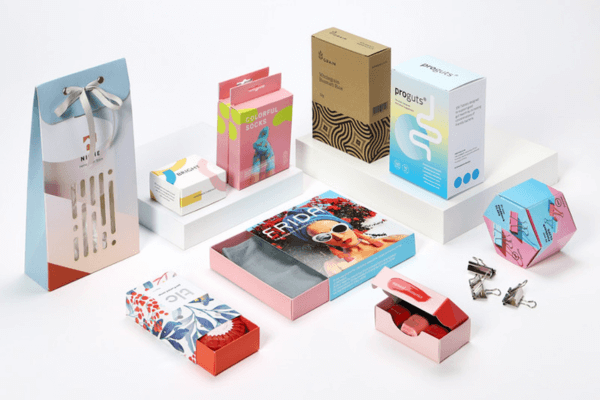
Retail packaging, namely the "basic packaging" in the traditional offline retail scene, is the smallest packaging unit directly in contact with the product, which is commonly seen in supermarket shelves, convenience stores and other terminal sales channels. Its core functions lie in protecting goods, conveying information and promoting immediate purchases. Retail packaging needs to withstand external factors such as moisture, heat, and impact through material selection and structural design. For example, the sealing design of canned beverages and the anti-drop packaging of bottled wines. At the same time, as the medium for consumers' "first contact", retail packaging emphasizes visual appeal. It stimulates purchase desire through color matching, pattern design, and information labels (such as ingredients, production date, brand logo). Typical forms include paper boxes, plastic bottles, and metal cans. For example, the nutrition component table on food packaging and the easy-open sealing design of daily necessities are all aimed at enhancing usability and brand recognition.
E-commerce packaging: Dual carriers of logistics and experience
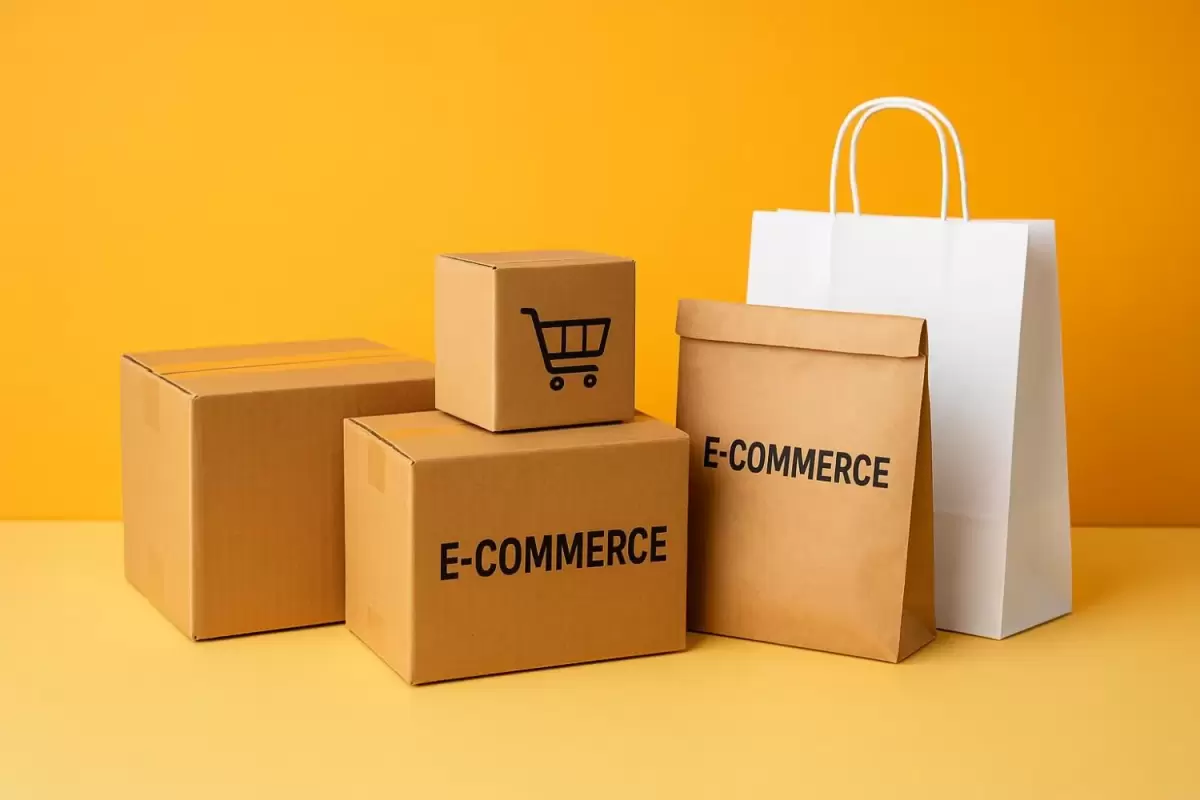
E-commerce packaging is a new type of packaging form that emerged to adapt to the online shopping scenario, mainly serving the entire process of warehousing, transportation and distribution in e-commerce. According to the 2023 "Global E-commerce Packaging Market Report", its market size reached 49.5 billion US dollars in 2020 and is expected to exceed 100 billion US dollars in 2026. The Asia-Pacific region accounts for more than 50%, with China being the core market. Compared with retail packaging, the design of e-commerce packaging pays more attention to logistics safety and cost control. It is generally divided into three major categories: commodity packaging, transport packaging, and order packaging. Commodity packaging needs to meet the pressure resistance requirements of multiple handling. Transport packaging focuses on the stacking stability of bulk goods. Order packaging uses cushioning materials (such as bubble wrap and inflatable bags) to prevent goods from being damaged during express delivery. In addition, e-commerce packaging also needs to adapt to the characteristics of digital communication. For instance, lightweight design can reduce logistics costs, and traceable labels can enhance delivery efficiency. Some brands even increase consumer favorability through unboxing experience design (such as easy-tear openings and eco-friendly materials).
Core Difference: From "Shelf Competition" to "Logistics Adaptation"
The fundamental difference between the two lies in the scene orientation: retail packaging takes "shelf display" as its core and needs to stand out through visual design within a limited space. For e-commerce packaging, "logistics efficiency" should be given priority, and a balance should be struck between protective performance and packaging costs. For example, the same brand of cosmetics may be sold in glass bottles in a physical store (to improve texture), but sold online in plastic bottles + bubble columns (to reduce breakage during transportation). In addition, e-commerce packaging also needs to address the trust challenge of "contactless shopping" by clearly marking information (such as anti-counterfeiting codes and return and exchange instructions) to make up for the lack of consumers' experience of not being able to directly touch the products.
Future trend: Greening and intelligence go hand in hand
With the popularization of environmental protection concepts and technological advancements, the two types of packaging are showing a trend of integration and innovation. Retail packaging is beginning to draw on the lightweight design of e-commerce packaging, such as using recyclable cartons instead of traditional plastic. E-commerce packaging introduces the marketing thinking of retail packaging and enhances the unboxing experience through customized printing (such as brand stories and festival themes). At the same time, the application of AI technology will promote the intelligence of packaging, such as optimizing the amount of buffer materials through algorithms and realizing packaging traceability through blockchain technology, while the research and development of biodegradable materials will provide solutions for the sustainable development of the industry.
From supermarket shelves to express stations, retail packaging and e-commerce packaging together constitute the "protection network" and "communication bridge" of commodity circulation. In the context of continuous changes in consumption patterns, the co-evolution of the two will not only improve business efficiency, but also reshape the way consumers interact with goods.
