

With the rapid development of the express delivery industry, bubble wrap, as a common cushioning packaging material, is transforming from a one-time waste to a versatile player in household life. Recently, environmental protection organizations and life creativity experts jointly released a guide to the Sustainable use of bubble film, summarizing a variety of practical methods, covering home protection, creative DIY, gardening assistance and other fields, to promote the green concept of "first use, then recycle".
Home Protection: From Earthquake Prevention to Multi-functional Security
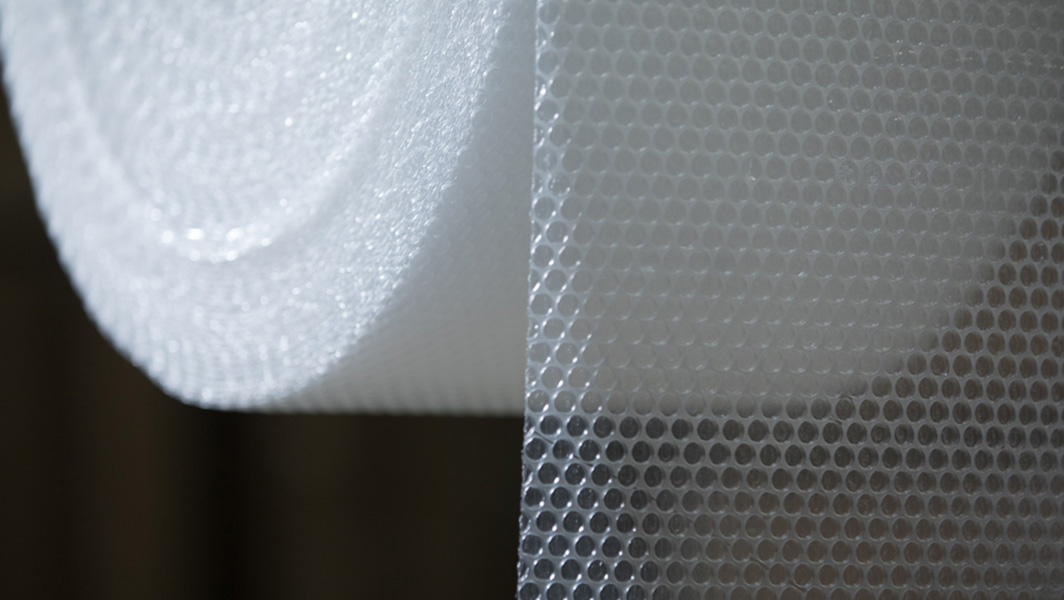
The most classic application of bubble wrap is still in use. It is not necessary to say that the cushions of fragile tableware and electronic products are transported, but the new ideas are extended to daily details: the lining of refrigerator drawer can prevent food from sliding and collision, the storage area of washing machine top cover can reduce the vibration and noise of small appliances, and the bottom of cosmetic bottle can paste bubble paper fragments to prevent sliding and rolling. For renters, bubble wrap is also a wall protection wonder - placing pre-cut bubble wrap at the contact points between furniture and walls can effectively prevent scratches.
Seasonal adaptation: The wisdom of wind protection in winter and heat insulation in summer
Northern families found that bubble film is a low-cost "windproof device" : cut it into the window size, spray a small amount of water on the inside of the glass, can form an air insulation layer, the winter room temperature is increased by 2-3℃; In summer, it can be used in reverse to block direct sunlight and reduce indoor temperature. Gardening enthusiasts use bubble paper to "dress" flower pots, protecting the roots from low-temperature frost damage. Small balconies can also be temporarily transformed into "greenhouses" to extend the growth period of plants.
Creative DIY: From Practical Tools to Art Installations
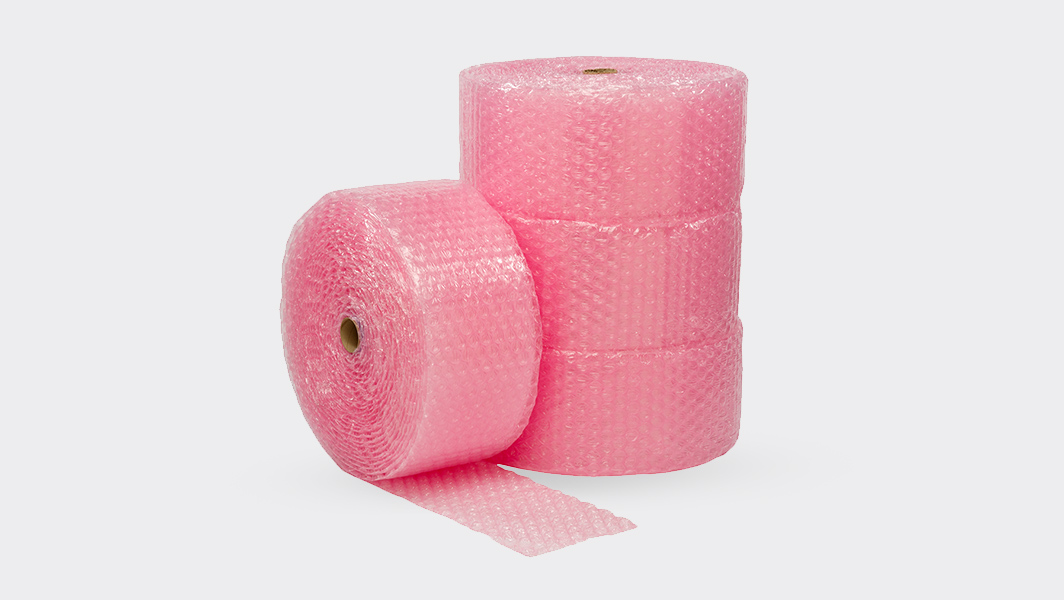
The plasticity of bubble wrap inspires boundless creativity. In the field of children's education, it has become a tactile teaching aid - drawing patterns on bubble wrap with colored pens, and the sound made by pressing the bubbles can enhance the fun of hands-on work. Manual talent will bubble wrap cut into strips woven cup mat, or fold into three-dimensional letter adornment metope. What's even more surprising is its cleaning function: the soft surface of the bubbles can replace a dishcloth, combined with detergent, it can produce abundant foam and is not prone to bacterial growth.
Environmental protection practice: A mutual effort of enterprises and individuals
At the enterprise level, electronic appliances and furniture manufacturers have begun to classify and recycle bubble film, which is used for non-precision parts packaging after cleaning and finishing. E-commerce platforms are piloting "bubble wrap recycling bins" to encourage consumers to return used packaging materials. On an individual level, simple maintenance can extend the lifespan of bubble wrap: avoid direct sunlight and excessive stretching, gently wipe stains with clean water, and store in a dry and well-ventilated place. When the bubbles are damaged and can not be used again, they are folded and packaged after the air is deflated and put into the special recycling box for film plastics to achieve "raw material regeneration".
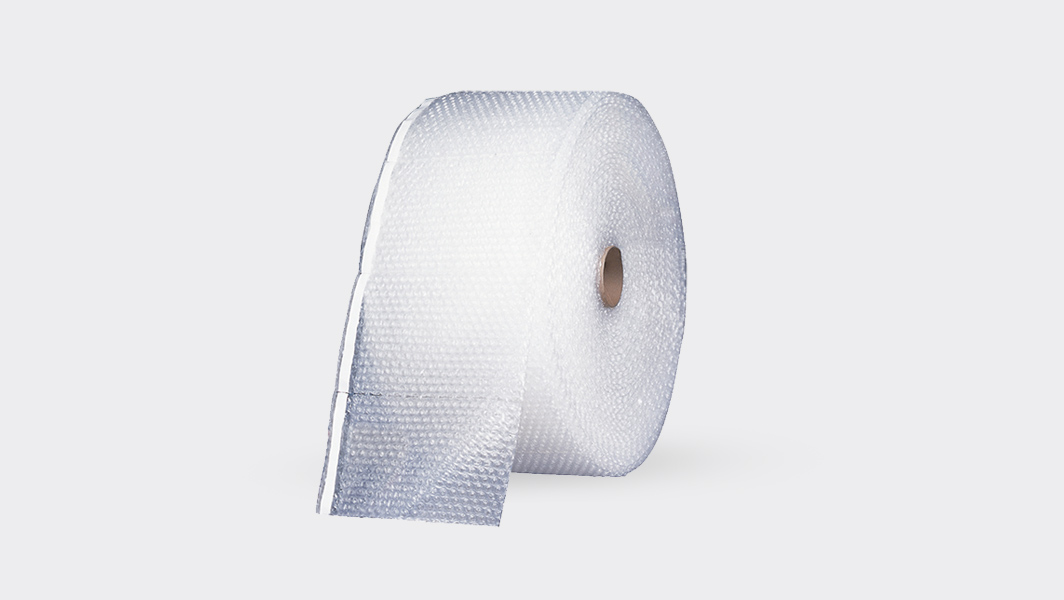
From unblocking toilets (which use bubble tension to increase water pressure) to clipping and pasting corner strips on table corners, from luggage compartments to slip-resistant pet floor pads, 50 uses of bubble wrap are redefining the value of "waste". Environmental experts point out that if all households across the country participate in the reuse of bubble wrap, about 300,000 tons of plastic waste can be reduced each year. These tiny bubbles are becoming the "green cells" that drive the circular economy.
